Science → Regulation → Decision
NeuroEdge Nexus is a structured intelligence layer at the intersection of clinical neurophysiology, AI, and EU health system transformation. Each edition delivers evidence-based intelligence directly relevant to the decisions shaping precision medicine and health data governance across Europe.
Dr. K. Elizabeth Reyes Marín · Published in Brain Research · Clinical Neurology & Neurosurgery (Elsevier) · Medical Research Archives · Hospital Ramón y Cajal · Universidad Autónoma de Madrid
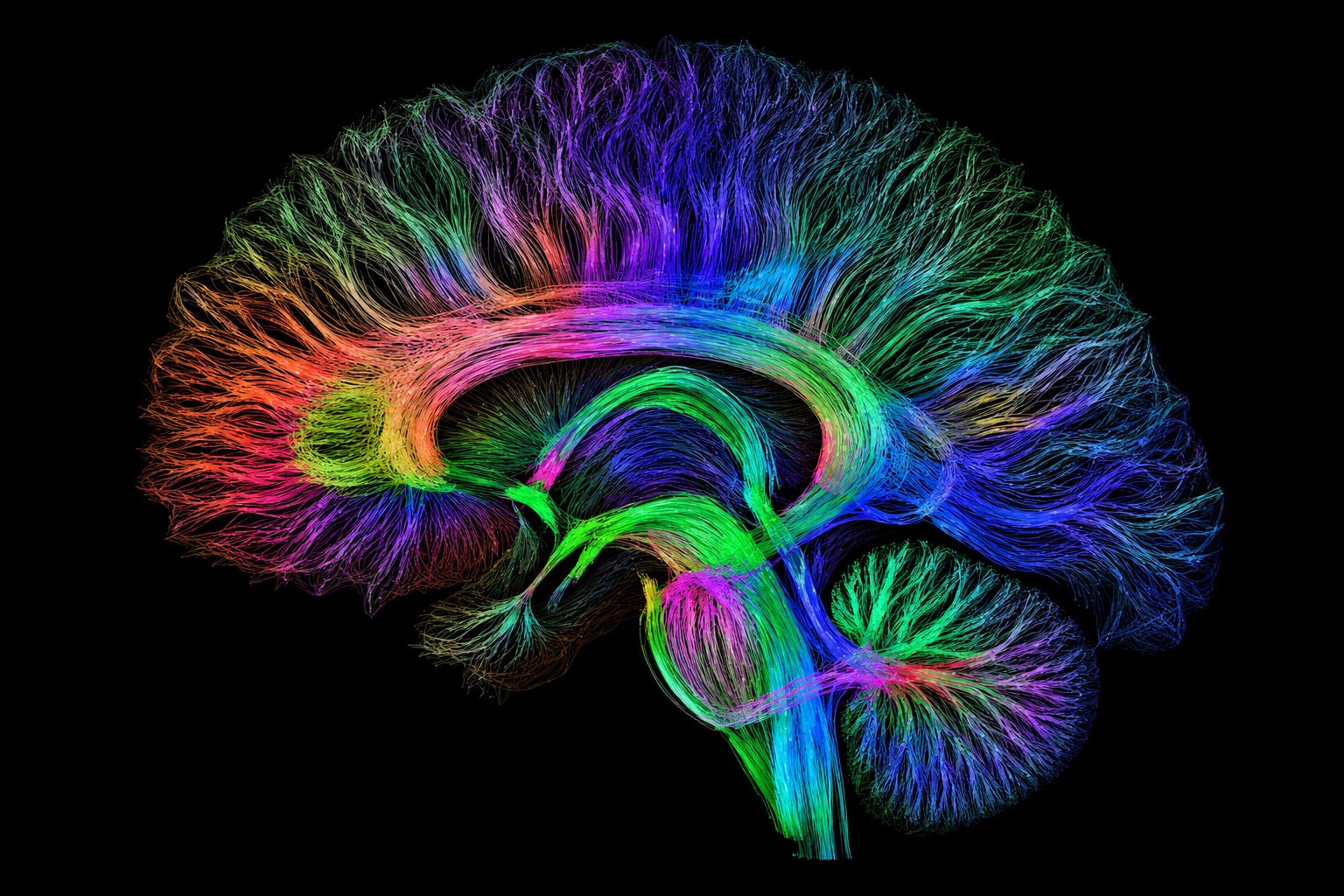
Content is organised by cortical function. Each lobe represents a distinct cognitive and systems domain. Navigate by the type of intelligence required — strategic, integrative, analytical, or predictive.
Executive function, planning, decision-making, working memory. AI governance frameworks, strategic healthcare policy, long-term system optimisation.
Sensory integration, spatial processing, attention. Evidence-based protocols, clinical strategies, connecting multiple approaches into practice.
Memory consolidation, language processing, longitudinal integration. Evidence synthesis, clinical precedent, systematic analysis across disciplines and time.
Visual processing, pattern recognition. Brain-aging data, AI diagnostic patterns, trend analysis, predictive modelling in neuroscience.
Interoception, autonomic regulation, internal system balance. Patient-centred evidence, lived experience in clinical data, the human dimension of health system governance.
The complete NeuroEdge knowledge architecture. All lobes, all domains, all connections. Start here if this is your first entry into the system.
The research-to-practice gap is not a communication problem. It is a system problem. Standards, governance, ethics, infrastructure, regulation — each one a gate between what science knows and what medicine does.
Dr. K. Elizabeth Reyes Marín has spent her career on both sides of that gate — as a researcher at the Cajal Institute and as a clinical neurophysiologist at Hospital Ramón y Cajal. NeuroEdge Nexus was built from that position: to translate clinical neurophysiology evidence and AI signals into intelligence that is directly usable by the stakeholders who control those gates.
Each edition addresses one specific intersection of neuroscience evidence, AI implementation, and EU governance. Precise. Institutional. Actionable.
Peer-reviewed research, EEG signals, neuromuscular data, neurodegeneration markers
AI-assisted diagnostics, EHDS data infrastructure, clinical decision support systems
EU policy relevance, governance frameworks, precision medicine implementation
Published on NeuroEdge Nexus · LinkedIn · Substack Archive
NeuroEdge Nexus addresses the gap from both directions — the clinical evidence that needs to reach the system, and the system that needs to be ready to receive it.
Clinical neurophysiology and AI signals translated into structured intelligence for stakeholders in EU health data governance, EHDS implementation, EMA regulation, and precision medicine policy.
EHDS data governance · AI-assisted diagnostics in EU clinical systems · regulatory frameworks for neurotechnology · health data infrastructure.
Decision-maker relevanceAI applications in clinical neurophysiology — from EEG signal processing to diagnostic decision support — bridging laboratory evidence and clinical implementation in European health systems.
AI diagnostics in neurophysiology · machine learning in EEG analysis · clinical decision support systems · digital biomarkers in neurology.
Clinical implementationJoin clinicians, researchers, and EU health system professionals who receive structured intelligence on the decisions closing the gap between neuroscience evidence and clinical practice.
2–3 editions per month. Evidence-grounded. Decision-relevant.